
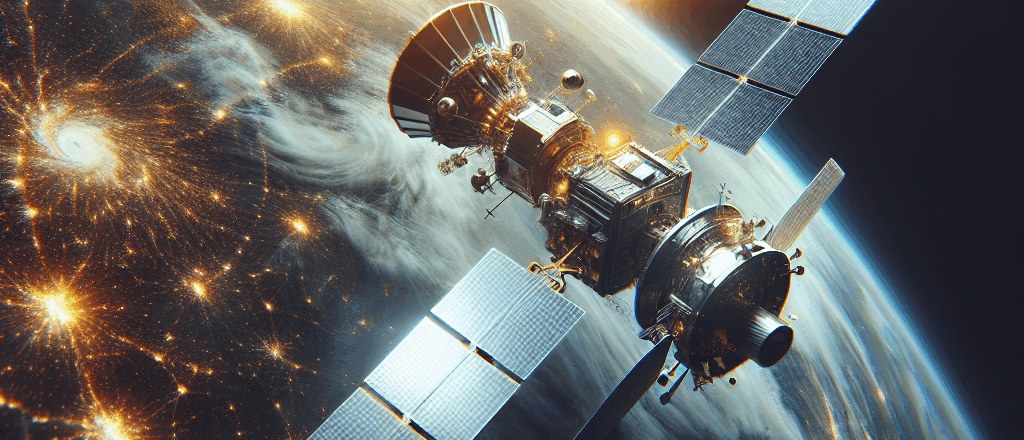
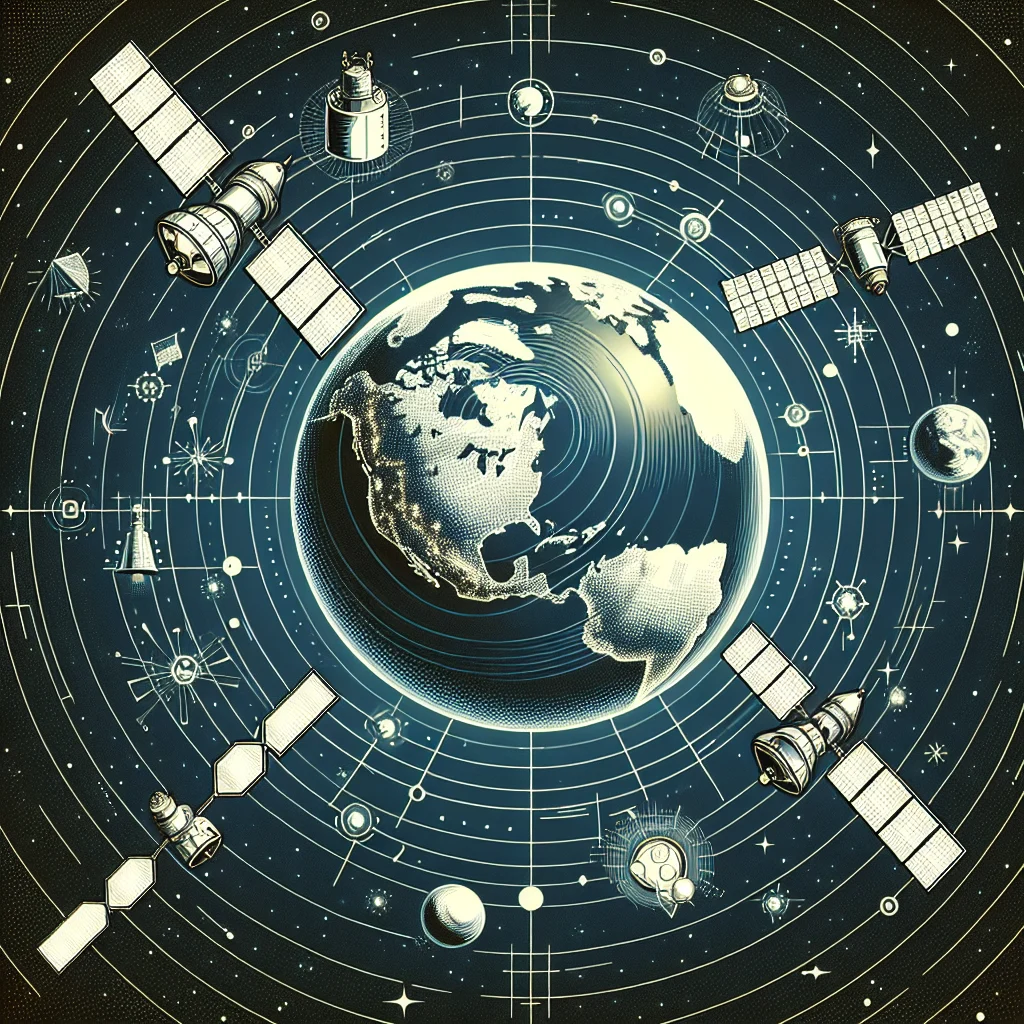
Manmade satellites have revolutionized our lives in countless ways, quietly orbiting overhead and supporting everything from GPS navigation to global communications. Delving into their purpose, technologies, and effects on society reveals just how essential these artificial objects have become to our modern world.
What Are Manmade Satellites?
Manmade satellites, often simply called artificial satellites, are human-engineered objects placed into orbit around Earth or other celestial bodies for specific functions. Unlike natural satellites, such as our Moon, these machines are designed and launched by people to perform tasks that are crucial to daily life and scientific discovery.
- Communicate signals across vast distances
- Collect scientific data from space and Earth
- Enable navigation and precise timing services
- Monitor the planet’s climate and weather patterns
Types and Functions of Manmade Satellites
The diversity of manmade satellites is remarkable, with each type designed for distinct purposes. Here are some of the most common categories and what they achieve:
Communications Satellites
These satellites form the backbone of our global telecommunications systems. They relay television, radio, telephone, and internet signals, making it possible for people to connect across continents.
Weather and Climate Satellites
Charged with monitoring Earth’s atmosphere, weather satellites track storms, measure temperatures, and provide data crucial for forecasting. This helps save lives during natural disasters and guides farmers and policymakers alike.
Navigation and GPS Satellites
The familiar GPS in our smartphones and cars relies on a constellation of navigation satellites. These deliver real-time positioning and timing information, facilitating not only travel but also precision in aviation, shipping, and emergency services.
Earth Observation and Environmental Satellites
These satellites aid in monitoring land use, deforestation, agricultural changes, and environmental disasters. By capturing detailed images and data, they play a pivotal role in conservation and sustainable development.
- Scientific Satellites: Explore outer space, collect cosmic data, and deepen our understanding of the universe.
- Military Satellites: Provide surveillance, secure communications, and navigation for defense purposes.
How Manmade Satellites Work
Launching a satellite involves propelling it via rockets to a predetermined orbit, where it can stay stable for years. Depending on their function, satellites may orbit at different distances:
- Low Earth Orbit (LEO): Used for observation and some communications, orbiting 160–2,000 km above Earth’s surface.
- Medium Earth Orbit (MEO): Often used for navigation satellites, operating between 2,000 and 35,786 km high.
- Geostationary Orbit (GEO): Common for communications satellites, these stay fixed over one spot, 35,786 km above Earth.
Each satellite is equipped with solar panels, communication systems, and onboard computers to perform its tasks autonomously or by receiving instructions from ground stations.
The Impact of Manmade Satellites on Daily Life
Today, manmade satellites are integral to the functioning of modern society. Some key benefits include:
- Global Connectivity: Enabling phone calls, television broadcasts, and internet connections around the world.
- Disaster Management: Providing real-time data and imagery to help manage fires, floods, and hurricanes.
- Scientific Advancement: Supporting research into climate change, space exploration, and astrophysics.
- Economic Development: Boosting industries like agriculture, transport, and logistics.
Challenges and the Future of Manmade Satellites
As thousands of satellites occupy Earth’s orbits, challenges like space debris management, satellite security, and radio frequency interference have come to the forefront. Innovations such as miniaturized CubeSats and satellite servicing missions may soon address these concerns and expand possibilities further.
The future of manmade satellites looks promising, as they continue to evolve and support humanity’s quest for progress on and beyond our planet. By embracing responsible practices and fostering international cooperation, we can ensure satellites remain a powerful tool for good in the 21st century and beyond.