
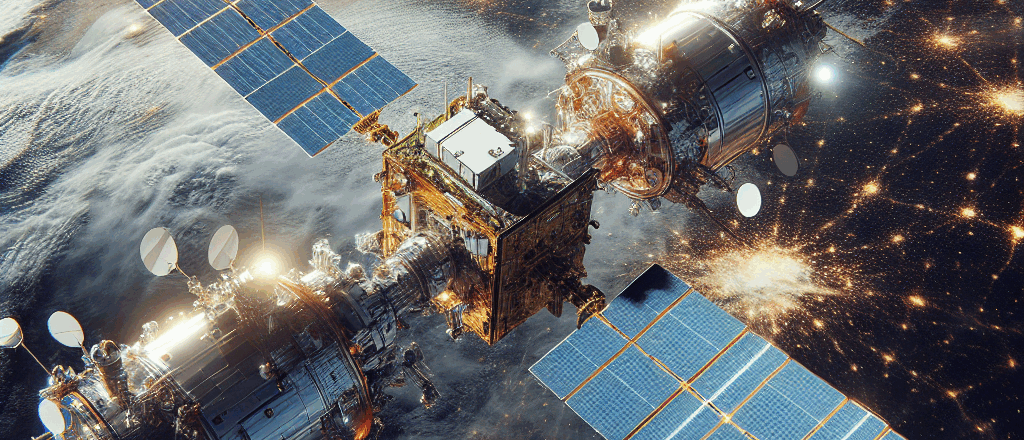
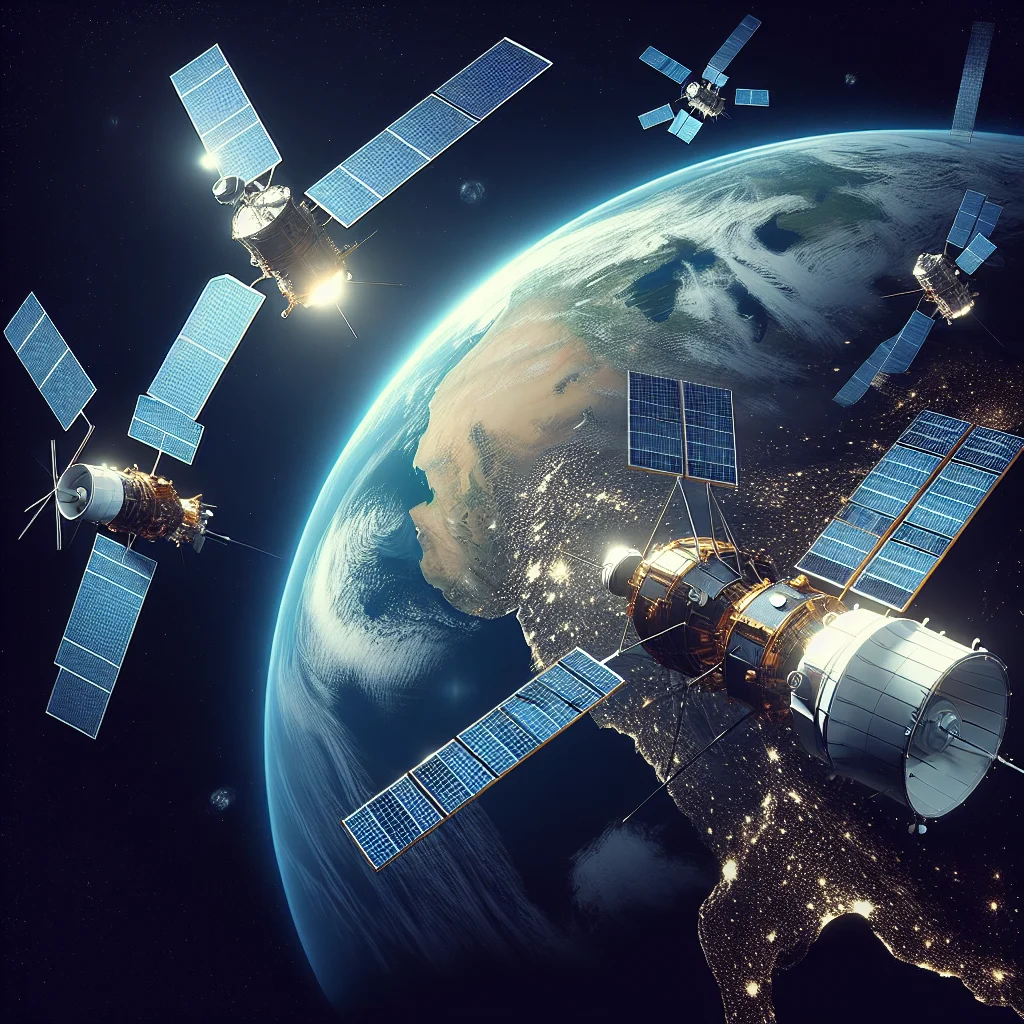
Manmade satellites have become a cornerstone of our technologically driven society, quietly revolutionizing communication, navigation, weather forecasting, and even scientific research. These artificial companions orbit the Earth and beyond, performing a range of essential tasks that impact our daily lives in ways most people don’t realize.
What Are Manmade Satellites?
Manmade satellites, also known simply as artificial satellites, are objects intentionally placed into orbit by humans. Unlike natural satellites like the Moon, these are built and launched for specific purposes, from relaying television signals to monitoring environmental changes.
- Launch: Satellites are typically launched into space using rockets.
- Orbit: They circle the Earth (or other celestial bodies) in carefully calculated paths.
- Variety: Sizes range from small CubeSats to bus-sized communication satellites.
Types and Uses of Manmade Satellites
The variety of manmade satellites in orbit reflects the many roles they play in modern society. Each serves a unique function, helping industries, governments, and individuals alike.
Common Types of Artificial Satellites
- Communication Satellites: Essential for transmitting telephone, television, and internet signals over long distances.
- Weather Satellites: Monitor atmospheric conditions, track storms, and aid in climate research.
- Navigation Satellites: Provide GPS services that power smartphone navigation, vehicle tracking, and more.
- Earth Observation Satellites: Capture detailed images of our planet for environmental monitoring and urban planning.
- Scientific Satellites: Conduct experiments and collect data from space, expanding our understanding of the universe.
- Military Satellites: Used for reconnaissance, secure communications, and navigation by defense organizations.
How Manmade Satellites Benefit Everyday Life
Although they may seem far-removed from daily routines, manmade satellites touch nearly every aspect of modern life. Consider these real-world applications:
- Navigation: GPS systems, powered by navigation satellites, provide turn-by-turn directions and help manage logistics for shipping and delivery services.
- Weather Readiness: Reliable weather forecasts come from satellite data, giving advance warning about storms, hurricanes, and other natural disasters.
- Communication: Satellites enable instantaneous global calls, video streaming, and remote education.
- Environmental Monitoring: Satellites track deforestation, ice melt, and pollution, helping scientists monitor climate change.
How Satellites Are Launched and Operated
Building and operating a satellite is a complex process involving international collaboration and cutting-edge technology. Here’s how it’s typically done:
- Design & Construction: Engineers design satellites based on their intended use, then build them to withstand the extreme conditions of space.
- Launch: Powerful rockets lift satellites into their designated orbits, often from sites like Cape Canaveral or Baikonur Cosmodrome.
- Orbit Insertion: Once in space, satellites separate from the rocket and adjust their position using onboard thrusters.
- Operation: Ground control stations monitor and send commands to keep satellites functioning smoothly.
The Future of Manmade Satellites
The number and diversity of manmade satellites continue to grow. Mega-constellations, consisting of thousands of small satellites, are being deployed to provide global high-speed internet access. Advances in miniaturization, propulsion, and artificial intelligence are paving the way for even more ambitious missions, such as asteroid mining and deep space exploration.
As we look up at the night sky, it’s awe-inspiring to consider the fleet of manmade satellites tirelessly serving humanity, pushing the boundaries of what’s possible, and connecting our planet like never before.